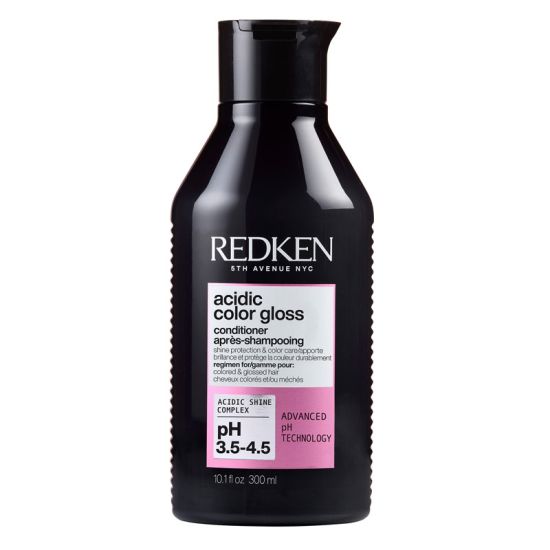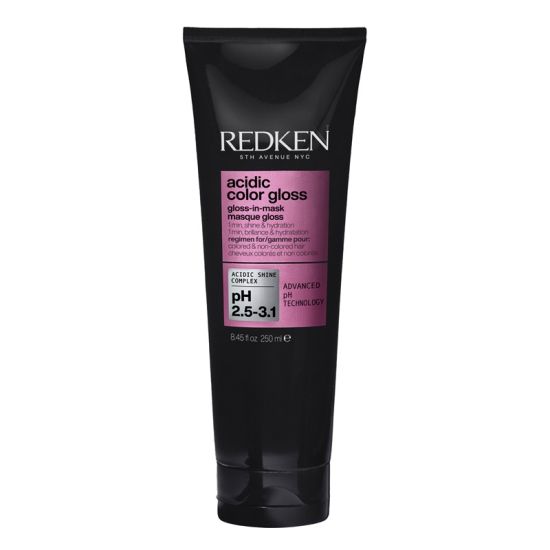
If you are trying to stop hair colour fading so quickly, focus on the everyday factors that repeatedly affect the hair. Washing, water temperature, light exposure, heat styling and the condition of the hair all influence how quickly colour loses vibrancy. You cannot freeze colour in time, but a few habits can make the fade much more gradual.
Why colour fades at all
Permanent and demi-permanent colour behave differently, but all coloured hair changes with time. Studies of oxidative hair colour show that repeated shampooing can leach dye from the fibre, while light exposure can cause further colour change. Bleached or more porous hair can be especially challenging because the cuticle has already been altered by chemical processing.
1. Wash for your scalp, not out of habit
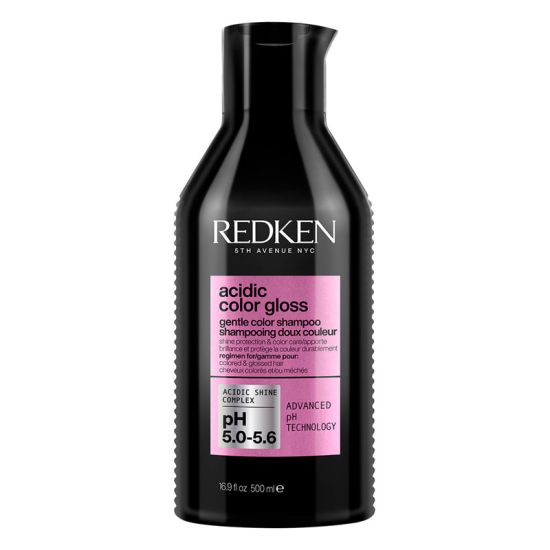
Every wash creates another opportunity for water and cleansing to remove some colour. That does not mean avoiding shampoo when your scalp needs it. It means finding a realistic frequency for your scalp, exercise level and styling routine rather than washing automatically. A colour-care shampoo and conditioner can help you maintain feel and shine without treating the hair as if it were uncoloured.
Six colour-fade accelerators
Small habits often make more difference than adding another product.
Very hot water
Can make colour look less vibrant sooner.
Frequent washing
More wash cycles mean more opportunities for fade.
Harsh cleansing
Use a routine suited to colour-treated hair.
High heat
Use sensible temperatures and heat protection.
UV exposure
Sun can shift tone and reduce shine.
Long gaps
A toner or gloss can refresh appearance between full colour visits.
2. Turn the temperature down
Very hot water is unnecessary for cleansing and can make colour-treated hair feel rougher and drier. Use comfortably warm water rather than steaming hot water, then condition the lengths. The goal is not an ice-cold final rinse; it is simply to avoid repeatedly exposing already processed hair to more heat than needed.
3. Treat heat styling as part of colour maintenance
High temperatures can damage the hair surface, and heat also affects colour appearance. Use the lowest effective setting on straighteners or curling tools, avoid going over the same section repeatedly and use a genuine heat-protectant product according to its instructions. If you can reduce the number of high-heat styling days each week, even better.
4. Remember that sunlight affects hair too
UV exposure can weaken and dry hair and can contribute to colour fade. A hat is simple protection on high-exposure days, especially on holiday. Do not rely on a hair product alone as if it were SPF for skin; physical protection is predictable and also protects your scalp and face.
5. Keep gloss separate from colour correction
Sometimes the colour itself is still acceptable but the hair has lost the reflective, freshly-finished look. That is where shine-focused homecare or a professional gloss/toner can help. If the tone has shifted – for example a blonde becoming too warm – piling on shine products will not replace a toner. Likewise, purple shampoo cannot correct every shade of fade.
6. Book maintenance before it becomes a rescue job
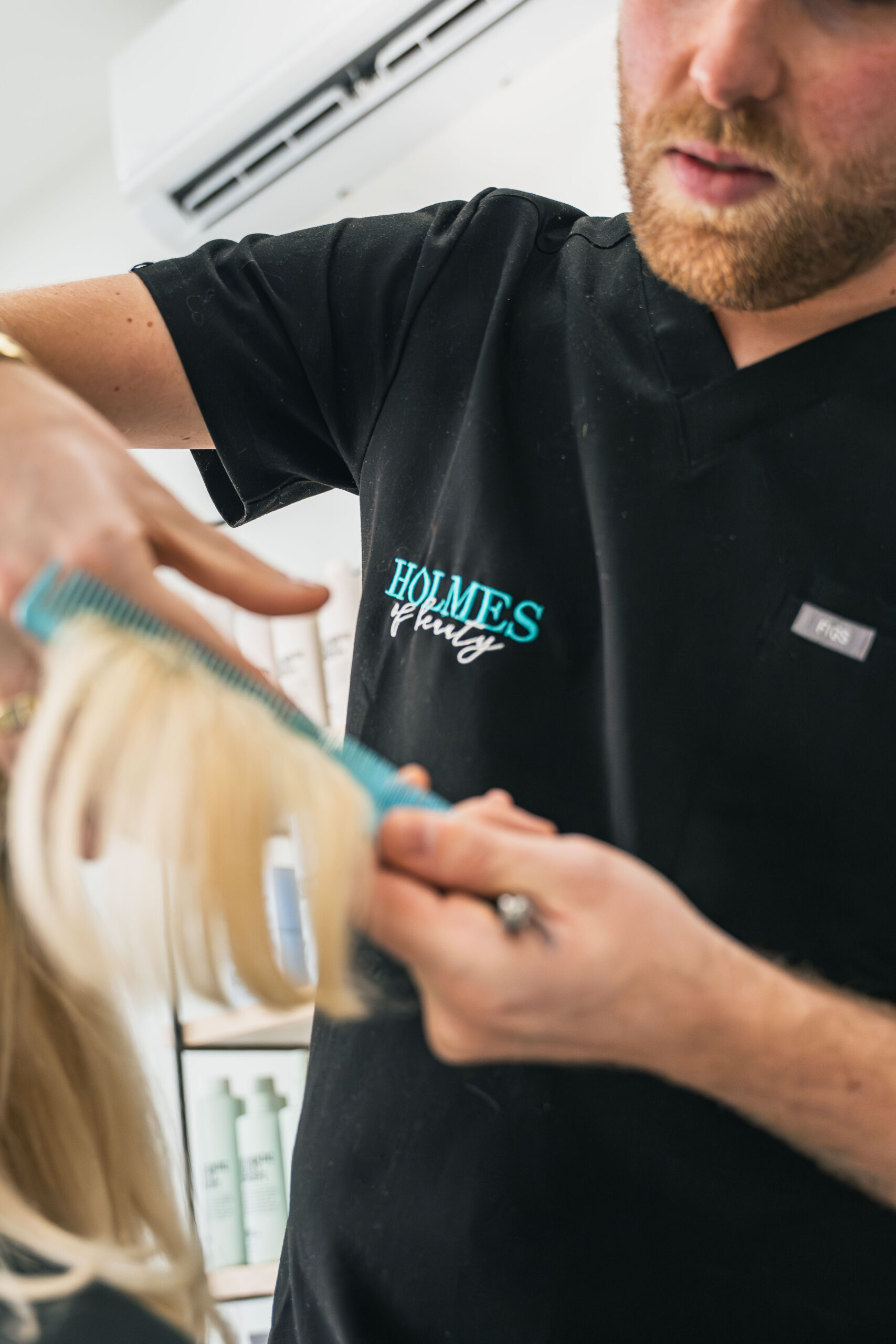
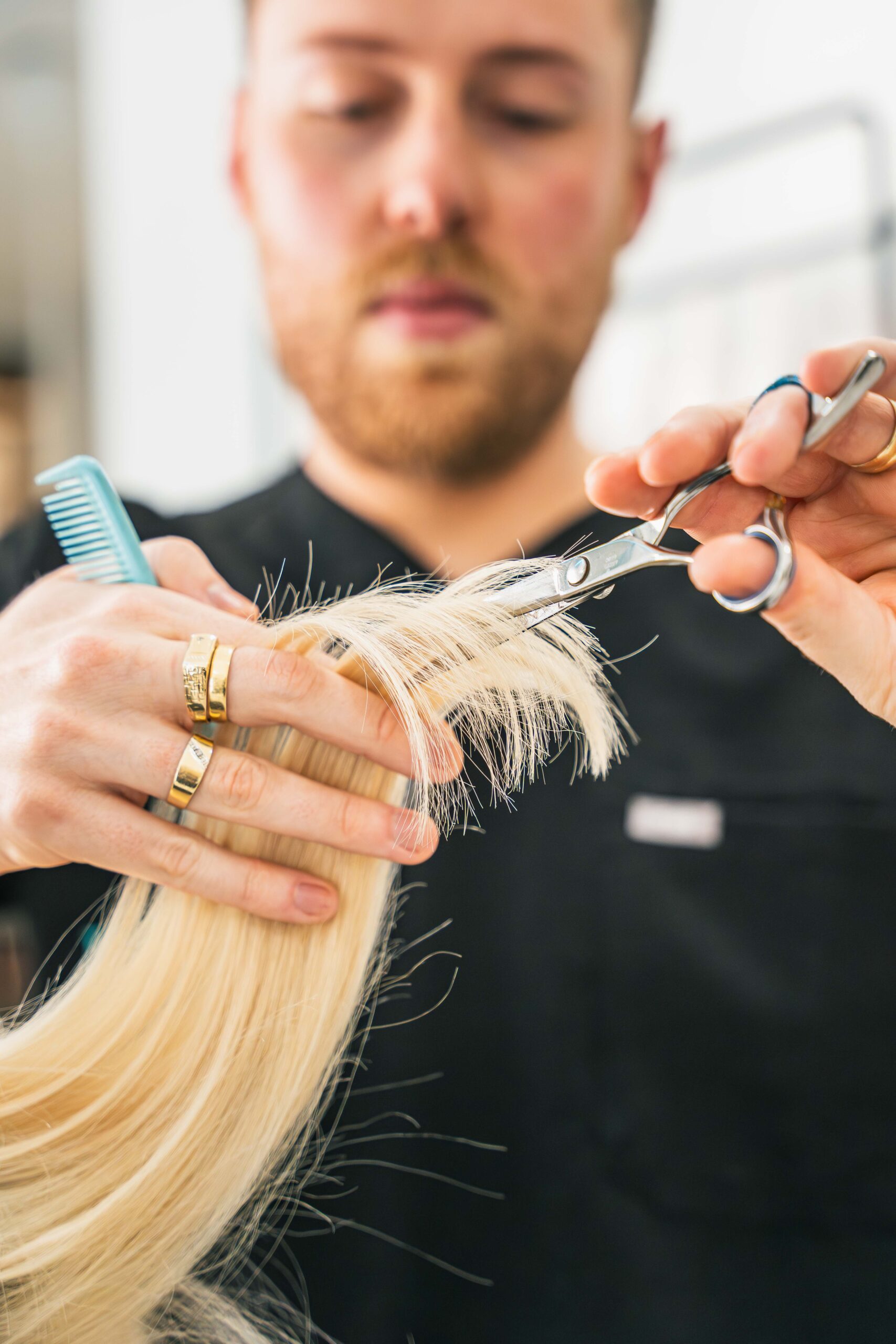
Toners and gloss services can refresh tone and shine between larger colour appointments. Your stylist can also adjust your maintenance interval depending on the shade, porosity, grey coverage and how quickly your colour changes. The aim is to maintain good hair condition as well as the colour itself.