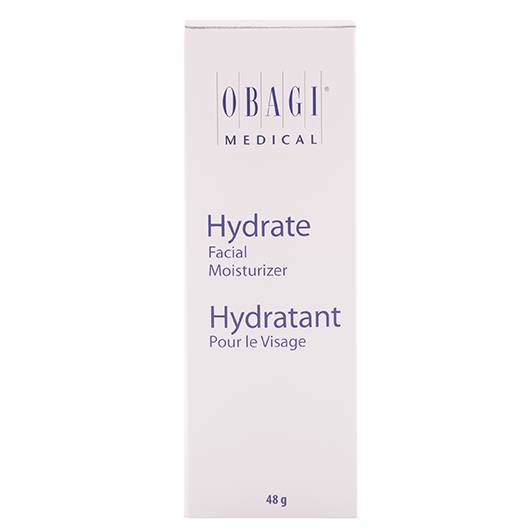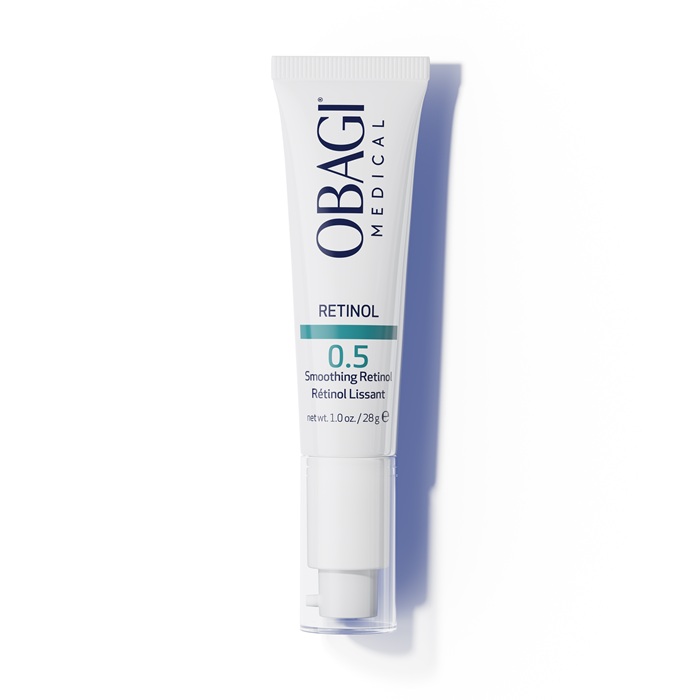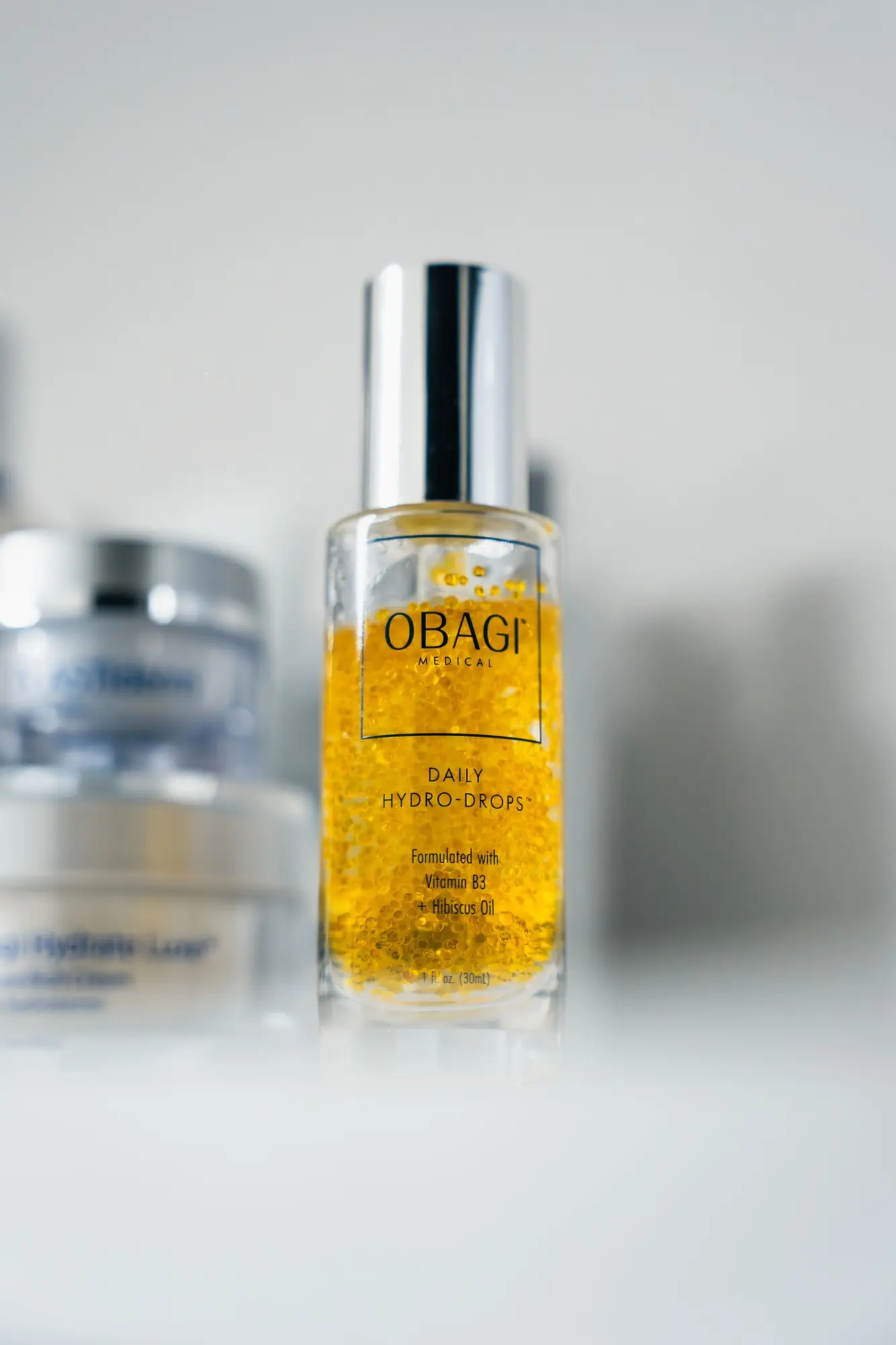
If you are wondering how to start using Obagi, the simplest answer is not to buy everything at once. There are complete systems, several vitamin C strengths, different retinols, exfoliants, hydrators and SPFs, so start by deciding what you want your routine to achieve, build a reliable foundation and introduce actives with a purpose.
First, a useful note on 'medical-grade' skincare
The phrase 'medical-grade skincare' is widely used in the beauty industry, but it is not a separate regulated category for cosmetics in Great Britain. Cosmetic products must meet UK safety and claims requirements regardless of how they are marketed. So rather than judging a product by that label, look at the actual formulation, active ingredients, evidence, instructions and whether professional guidance is appropriate.
How to start an Obagi skincare routine: identify one or two priorities
Do you want to work on pigmentation, breakouts, dryness, sensitivity, uneven texture or early signs of ageing? A routine becomes confusing when every product is trying to solve a different problem. Start with the main concern and your skin's tolerance. If you are not sure what you are seeing, a skin consultation is more valuable than buying a complicated system based on social media.

A beginner-friendly routine
Build a routine in a clear order and add complexity only when there is a reason.
Cleanse
Remove sunscreen, makeup and daily buildup.
Treat
Use one concern-led active selected for your skin.
Moisturise
Support comfort and reduce unnecessary dryness.
Protect
Finish every morning with broad-spectrum SPF.
Step 2: build the non-negotiable foundation
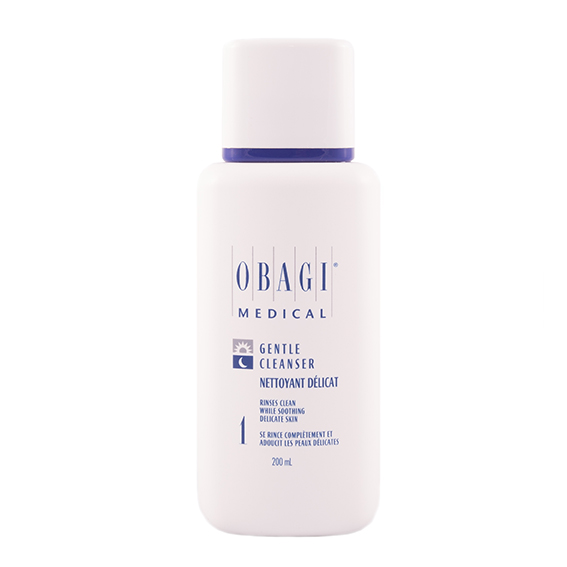
For most people, the starting framework is simple: a suitable cleanser, moisturiser when needed and broad-spectrum sun protection. Obagi offers different cleansers and hydrators, while its sun-protection range includes SPF30 and SPF50 options. If pigmentation or photoageing is a concern, consistent photoprotection matters just as much as the exciting active product you add later.
Step 3: add one active with a clear job
Vitamin C is commonly used in the morning for antioxidant support and can help with signs of photoageing and uneven pigmentation. Retinol is normally used at night and can help with fine lines, texture and pigment irregularity, but it can also irritate if introduced too quickly. Obagi itself recommends gradual introduction of retinol. Adding one active at a time also makes it much easier to tell what your skin is tolerating.
Step 4: do not assume you need a full system
Nu-Derm Fx is a structured system aimed at concerns including uneven tone, hyperpigmentation and photoageing, with several coordinated steps. That can be appropriate for some clients, but it is not automatically the best first purchase for everybody. A client with mild dehydration and no pigmentation concern may need a very different plan from someone with established sun damage.
Step 5: give the routine time
Skincare works through consistency, not constant switching. Irritation is not a badge of effectiveness. If a new product causes persistent burning, marked redness, swelling or worsening sensitivity, stop and get advice. When you are using active skincare, a calm routine you can follow for months is usually more useful than an aggressive routine you can tolerate for a week.