If you are trying to work out how to start using retinol safely, consistency and tolerance matter more than chasing the strongest percentage. Retinol is one of the better-supported cosmetic ingredients for improving signs of photoageing, texture and uneven pigmentation, but it can also be easy to overdo.
What does retinol actually do?
Retinol is a vitamin A derivative in the retinoid family. Retinoids can influence skin-cell turnover and have evidence for improving fine lines, texture and some pigment irregularities. Cosmetic retinol is less potent than prescription retinoids such as tretinoin, but it can still cause dryness, peeling, redness or stinging while the skin adjusts.
0.5% vs 1.0%: stronger is not automatically better
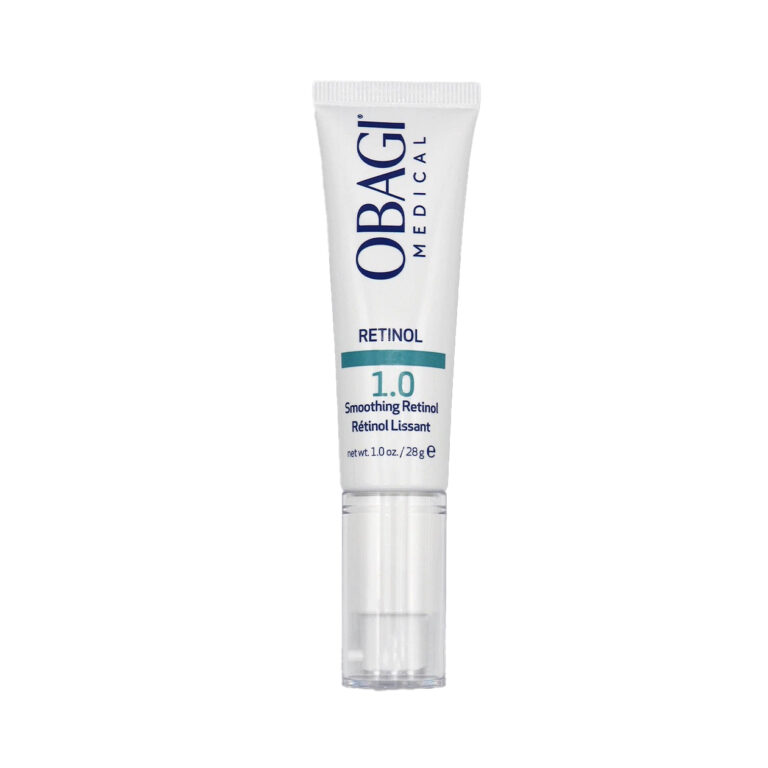
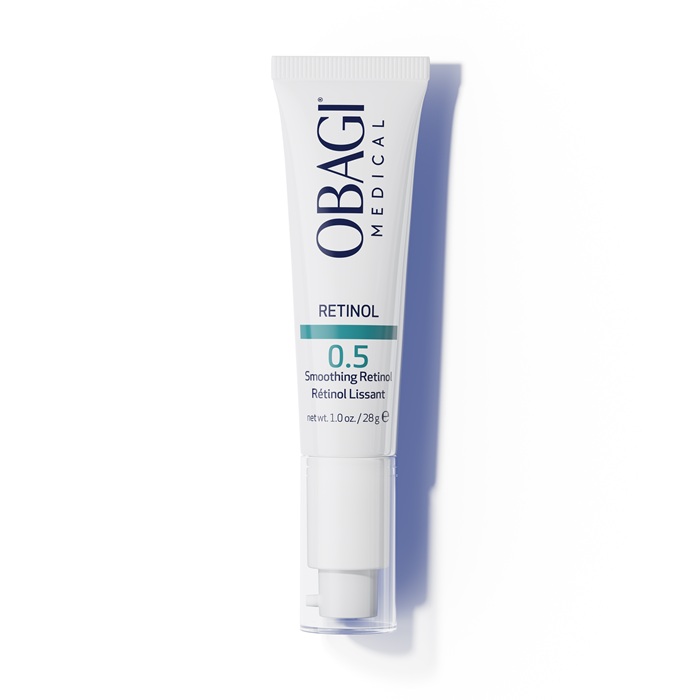
Obagi positions Retinol 0.5 for people who are newer to retinol or more sensitive, and Retinol 1.0 for people already familiar with retinoids. That is a sensible way to think about strength. If 1.0% makes you use it once every two weeks because your skin is constantly irritated, a lower strength used consistently may be the better routine.

The retinol introduction ladder
Move up only when your skin is comfortable at the current step.
One night a week
Use a pea-sized amount for the whole face.
Two nights a week
Keep the nights non-consecutive at first.
Increase slowly
Only if there is no persistent soreness, swelling or severe peeling.
Use SPF
Retinol and sun protection belong in the same plan.
How to start using retinol safely
Begin at night on dry skin with a pea-sized amount for the face, following the product instructions. Obagi advises starting once or twice a week and gradually increasing as recommended by your skincare professional. The American Academy of Dermatology similarly advises starting with a less-intense retinoid and building slowly. Moisturiser can be used to support tolerance, and you do not need to 'feel a burn' for retinol to work.
What should you be careful combining it with?
Retinol can be used in routines that also contain acids or vitamin C, but introducing several potentially irritating actives at once is a common reason people end up with a sore skin barrier. Glycolic and salicylic acids can also be drying or irritating, so alternate them or introduce them only after your skin is settled. Many people find vitamin C easiest in the morning and retinol at night.
SPF matters
Retinoid routines should sit alongside good sun protection. Use a broad-spectrum SPF of at least 30 and reapply when you are outdoors. This is especially important if you are using retinol to improve pigmentation or photoageing – repeatedly exposing skin to UV while treating UV-related concerns undermines the point of the routine.
When to stop and get advice
Mild dryness or flaking can happen during adjustment, but significant burning, swelling, cracking or persistent irritation is a reason to stop and get professional advice. Retinoids should not be used during pregnancy. If you are pregnant, trying to conceive, breastfeeding, using prescription acne medication or under dermatology care, check with the relevant healthcare professional before adding retinol.