Signs of a damaged skin barrier can appear when retinol, exfoliating acids, scrubs, strong cleansers and treatments are layered too aggressively. The result can be redness, tightness, flaking, burning or a face that suddenly reacts to products it used to tolerate – and adding more actives can make the problem worse.
What is the skin barrier?
The outermost layer of the skin, the stratum corneum, helps reduce water loss and limits the entry of irritants. Its structure includes skin cells surrounded by lipids such as ceramides, cholesterol and fatty acids. When that barrier is disrupted, water can escape more easily and irritating substances can penetrate more readily, which is why compromised skin often feels dry, tight and sensitive.
Common signs of a damaged skin barrier
Look for a change from your normal baseline: products suddenly sting, the skin feels tight after cleansing, you are visibly flaking, redness is lasting longer, or your usual moisturiser burns on application. Retinoids and alpha- or beta-hydroxy acids are all capable of causing irritation, particularly when introduced quickly or layered together.
A simple barrier reset
Persistent tightness, burning, flaking or sudden sensitivity can be signs to simplify.
Reduce strong actives
Temporarily step back from retinol, acids and aggressive exfoliation.
Keep it gentle
Avoid scrubbing and repeated cleansing.
Prioritise comfort
Use a straightforward moisturiser that your skin tolerates.
Wear SPF
Help prevent additional environmental stress while the skin settles.
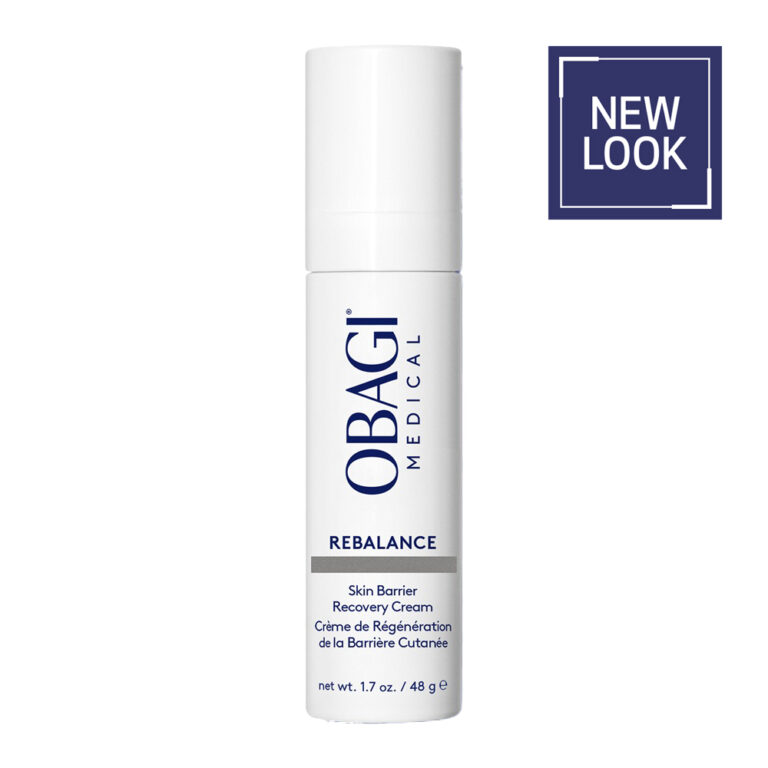
What to do first
Simplify. Pause the non-essential exfoliants, scrubs and new actives and return to a gentle cleanser, a moisturiser you already tolerate and daytime sun protection. Do not keep adding 'soothing' serums just because they have calming words on the label – every extra formula is another variable while the skin is reactive.
Moisturising is not just cosmetic comfort
Moisturisers can reduce water loss and improve hydration, and ceramide-containing formulas have evidence for supporting barrier function in dry or barrier-impaired skin. Ingredients such as glycerin and occlusive agents can also help. The exact best formula depends on your skin and what triggered the irritation, so simple and well-tolerated is more important than chasing a long ingredient list.
When can you restart actives?
Wait until the skin feels comfortable again: no persistent stinging, marked redness or active flaking. Then reintroduce one product at a time and at a lower frequency. If retinol caused the problem, restart slowly. If exfoliating acids were the issue, use them less often or on different nights. The point is to find the lowest effective routine, not to prove your skin can tolerate everything at once.
When it may be more than an overdone routine
Persistent rashes, swelling, blistering, severe itching or reactions that keep returning can be allergic or medical rather than simple irritation. In that situation, stop the suspected products and seek medical advice. A beauty consultation can help simplify cosmetic products, but it should not replace diagnosis of a skin disease.