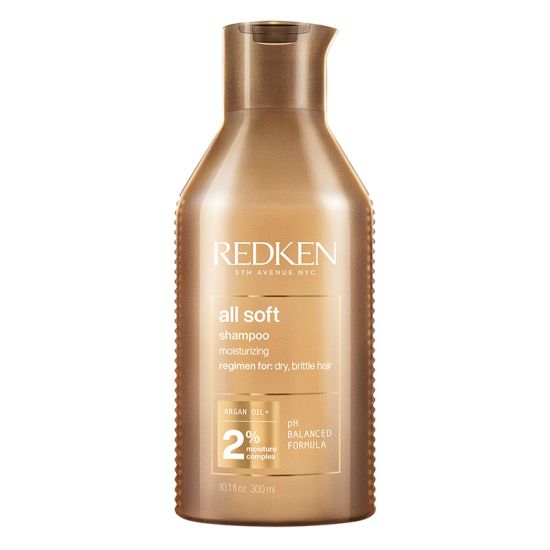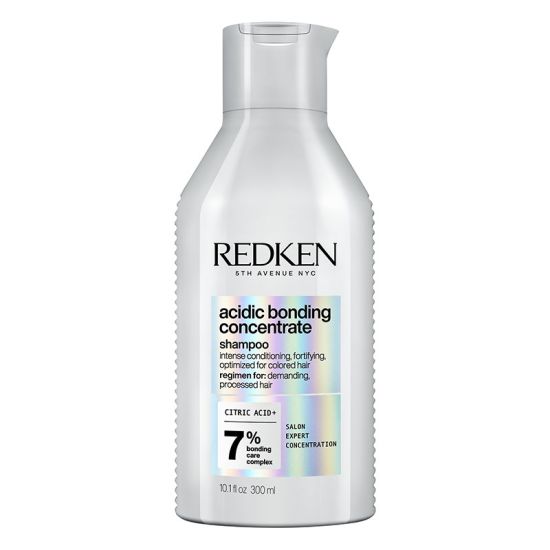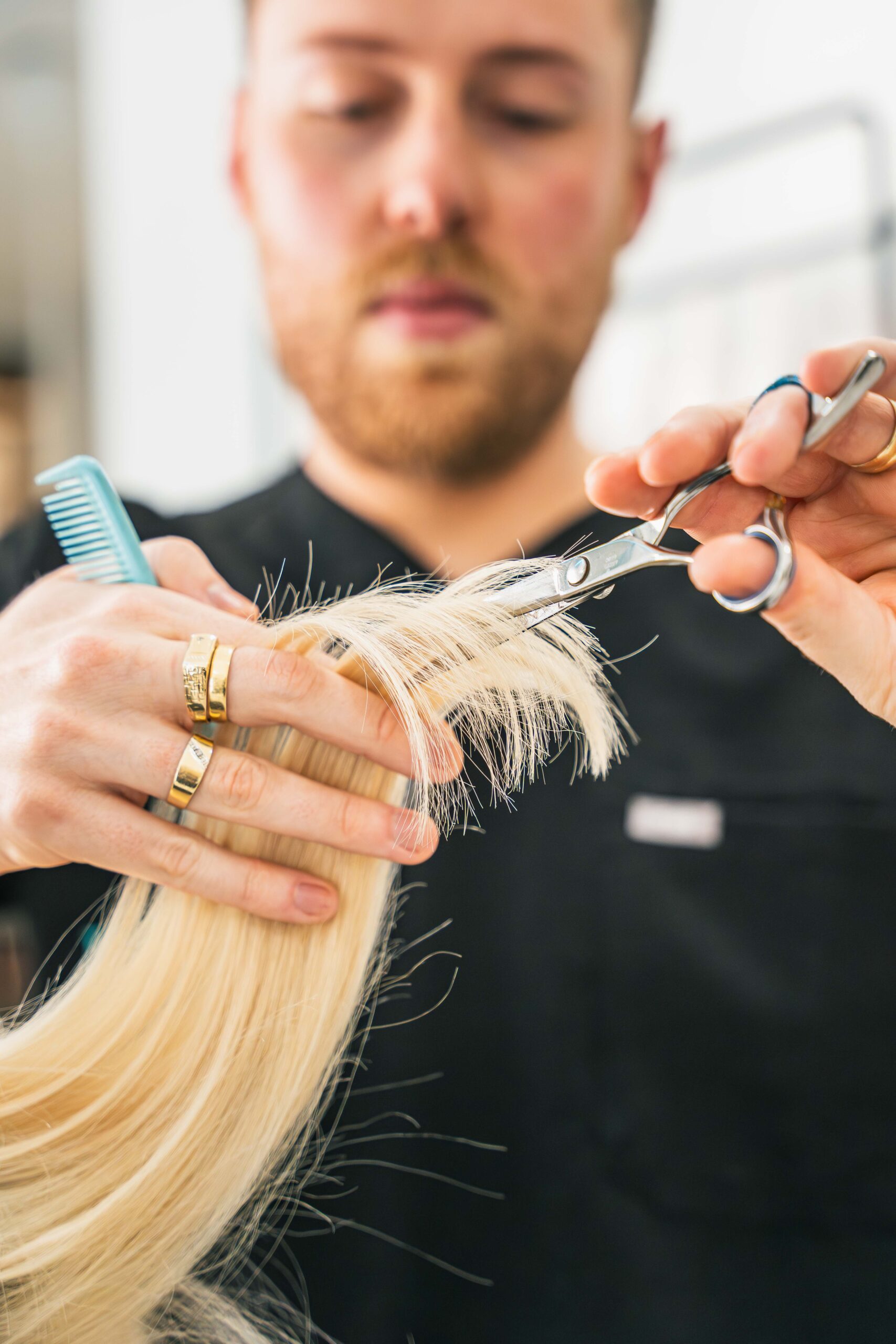
Dry hair vs damaged hair is an important distinction because the two concerns are often treated as if they are the same thing. They can overlap, but one may need more moisture and conditioning, while the other may also need a strategy to reduce breakage and further structural stress.
What do we mean by dry hair?
When people describe hair as dry, they usually mean it feels rough, stiff, dull, frizzy or difficult to detangle. The outer cuticle and the lubricating surface of the hair affect how smooth and shiny it feels. Conditioner can reduce friction, flatten raised cuticle scales and improve combing, which is why moisture-focused products can make a big difference even though the hair fibre itself is not living tissue.
What counts as damage?
Damage is more about loss of structural integrity. Repeated bleaching, colouring, chemical processing and high heat can alter the cuticle and, with enough exposure, the cortex beneath it. Research on bleached hair has shown cuticle disruption, protein oxidation and protein loss, while heat studies show progressively more surface damage as temperature rises. In real life, this can show up as excessive breakage, split ends, rough porous lengths, loss of elasticity or ends that keep snapping despite conditioning.
Dry, damaged, or both?
The feel and behaviour of the hair matter more than one isolated sign.
Needs moisture
Rough, dull, thirsty or difficult to detangle, without obvious snapping.
Needs structural support
Breakage, fragility, excessive stretch when wet or heavy chemical history.
Balance the plan
Condition for softness while using repair selectively and reducing further stress.
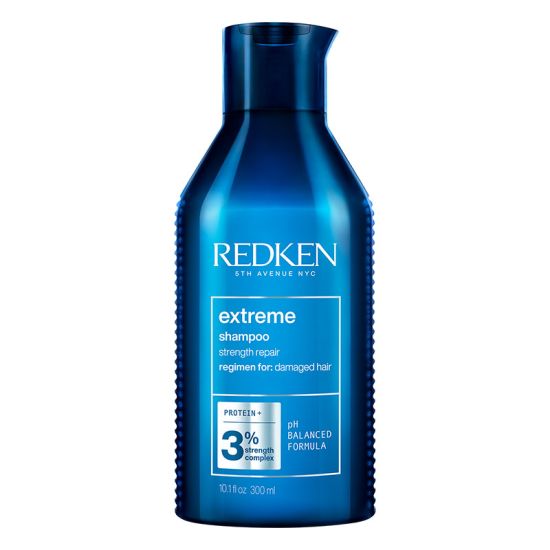
How can you tell if your hair is dry or damaged?
Dryness is more likely when the hair mainly feels thirsty, rough or frizzy but still has reasonable strength. Damage is more likely when the hair has a history of bleach or repeated chemical services and is breaking, splitting or behaving very differently when wet. If it stretches excessively, feels gummy, snaps with gentle handling or is deteriorating rapidly, stop experimenting with stronger treatments and ask a stylist to assess it.
Why 'repair' is not always the answer for dryness
A strengthening or bond-focused product can be useful for compromised hair, but more intensive does not automatically mean better. If your real problem is dehydration, a routine designed for softness and moisture may feel better and be easier to use consistently. Haircare is often about balancing conditioning, friction reduction and protection from future damage rather than trying to make the hair 'strong' at all costs.
Can hair be both dry and damaged?
Absolutely. Bleached hair commonly becomes more porous and rough while also losing strength. In that situation, a stylist may suggest alternating or combining a damage-focused routine with richer conditioning, depending on the hair's feel and breakage level. The answer is not to use every treatment at once. Too many layers can make fine hair heavy and can make it harder to identify what is actually helping.
Preventing the next round of damage
The most effective 'repair' plan also reduces the cause. Lower the temperature of straighteners and curling tools, use heat protection where the product is specifically labelled for it, avoid repeatedly bleaching already-lightened lengths, handle wet hair gently and keep regular trims if ends are splitting. After colour or bleach services, follow the maintenance plan your stylist gives you rather than waiting until the hair feels severely compromised.