Choosing SPF for melasma is not simply about picking the highest number on the shelf. Melasma is a relapsing pigmentation disorder that is strongly influenced by light exposure, so daily sunscreen is one of the foundations of a long-term pigmentation plan rather than an optional extra at the end.
Why light matters so much
Ultraviolet radiation is a well-established trigger for melasma, and research also shows that visible light can worsen pigmentation, particularly in darker skin tones. This helps explain why pigmentation can return even after a treatment has worked well. If the trigger remains, the skin is repeatedly being asked to produce more pigment.
What SPF should you look for when managing melasma?
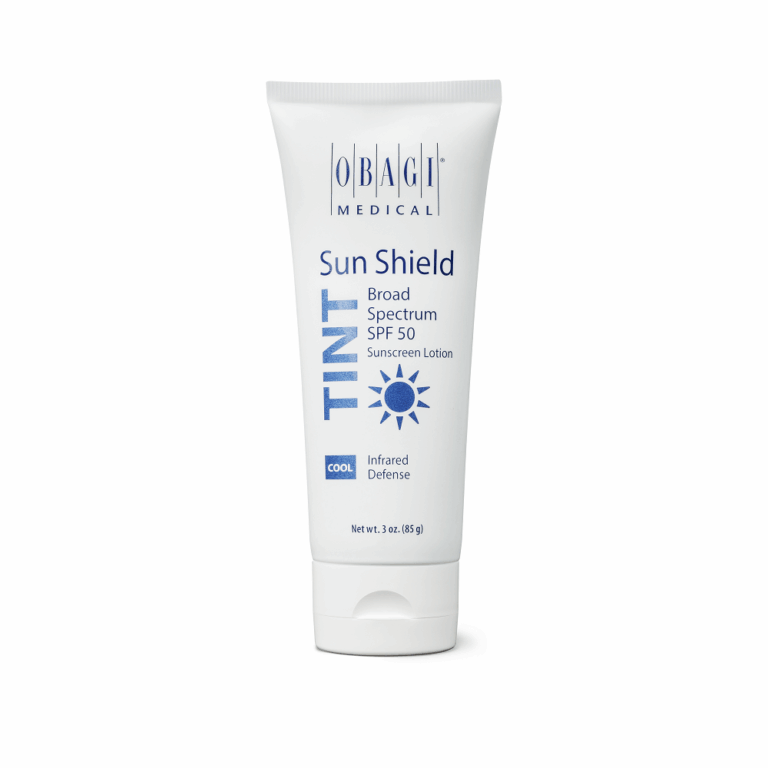
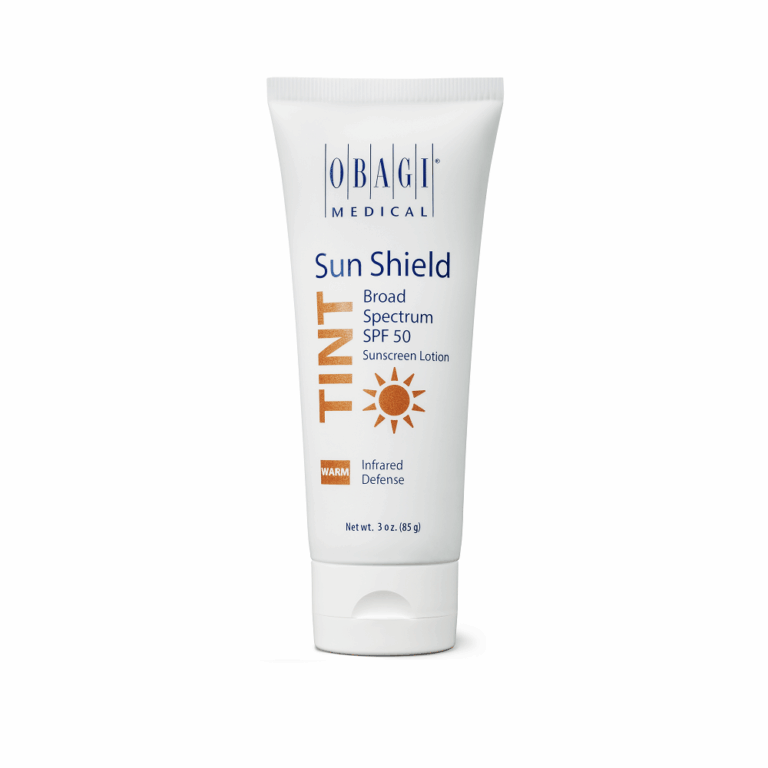
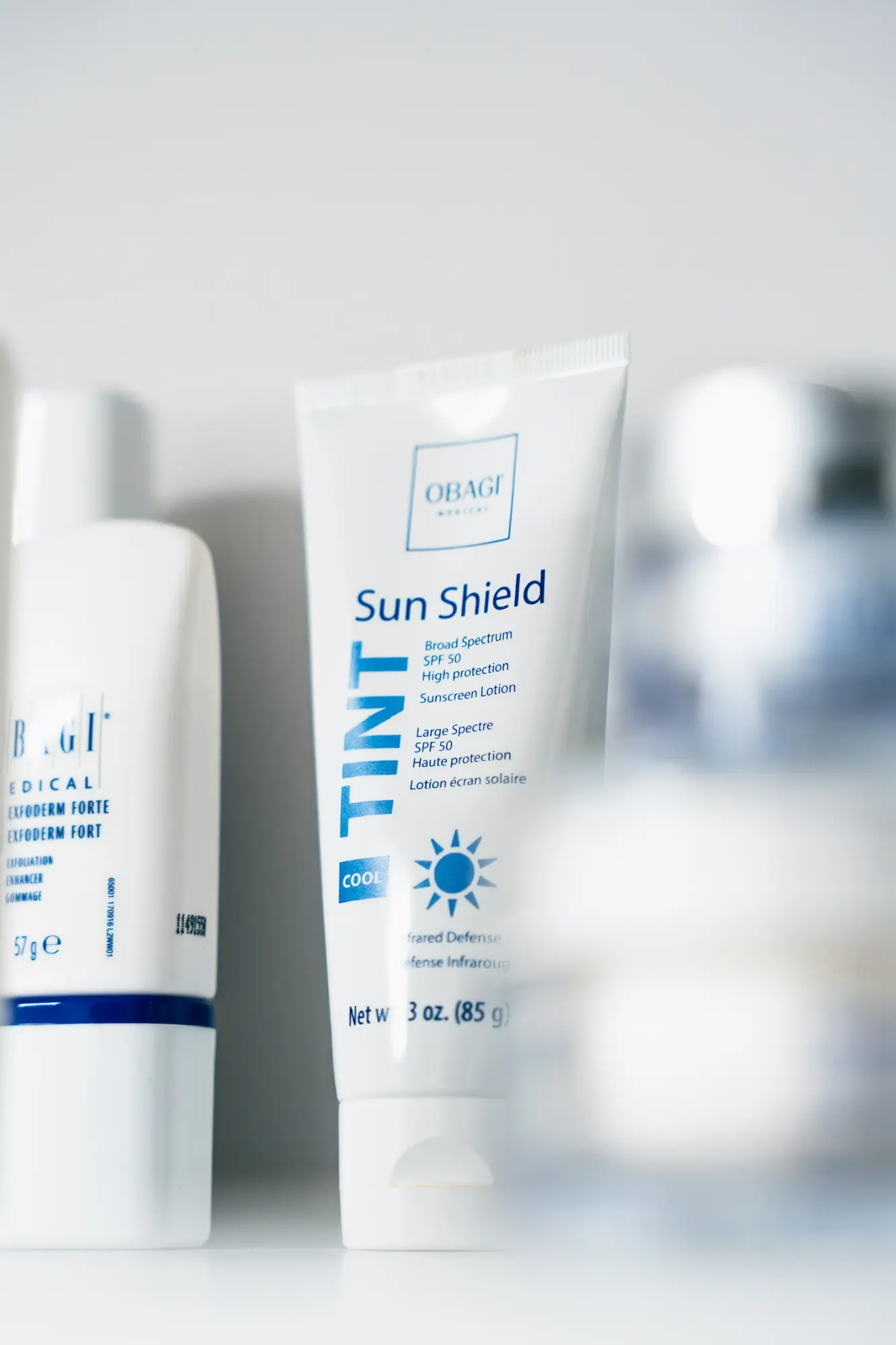
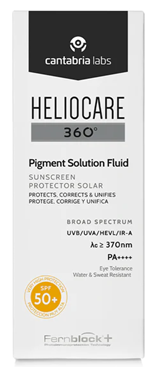
Use broad-spectrum protection with at least SPF30, applied generously. For melasma, dermatologists also recommend considering a tinted sunscreen containing iron oxides because these pigments can add protection against visible light. Sunscreen still needs reapplication during ongoing outdoor exposure and should sit alongside hats, shade and sensible sun avoidance rather than replacing them.

A melasma protection plan
No single product removes every trigger, so build protection in layers.
Broad-spectrum SPF
Use consistently every morning.
Visible-light strategy
A suitable iron-oxide tinted sunscreen may add protection where appropriate.
Shade and habits
Hats, shade and timing reduce cumulative exposure.
Consistent routine
Pigmentation plans work better when protection is not occasional.
Incidental exposure counts
Melasma management is about consistency, not just beach days. Walking the dog, driving, sitting outdoors at lunch or spending time near strong daylight all add to cumulative exposure. You do not need to become afraid of daylight; you need a routine that makes photoprotection easy enough to repeat every day.
Why pigmentation treatment without protection can disappoint
Brightening ingredients, retinoids and professional treatments can improve the appearance of pigmentation, but results are harder to maintain when light exposure is not controlled. Reviews of melasma treatment support broad UV protection, and studies comparing UV-only sunscreen with sunscreen that also attenuates visible light show better pigmentation outcomes when visible-light protection is included.
Where products and treatments fit
Ingredients such as arbutin, retinoids and vitamin C can be useful parts of a professional pigmentation plan depending on the skin. Obagi Nu-Derm Fx, for example, includes arbutin-based brightening steps, exfoliation and SPF. Obagi Blue Peel Radiance is a superficial salicylic-acid peel marketed for concerns such as rough texture, blemishes and mild-to-moderate photoageing; it should not be presented as a guaranteed melasma treatment. Melasma can worsen if skin is irritated, so professional selection matters.
Think long term, not one-off correction
Melasma often needs maintenance. The best plan is usually the one you can keep doing: gentle skincare, daily photoprotection, carefully selected actives and review when the pigmentation changes. If the diagnosis is uncertain, the patches are new or changing, or over-the-counter approaches are not helping, see a GP or dermatologist for medical assessment.