If you've wondered what bond repair for hair actually means, the useful part is separating the science from the marketing. Chemical processing and heat can weaken the hair fibre, and some products are formulated to improve strength, resilience, conditioning and breakage resistance. That does not mean everybody needs the strongest bond routine all the time.
What happens when hair is bleached or heavily processed?
Hair is mostly keratin protein, organised into a protective cuticle around the cortex. Peroxide bleaching is designed to break down pigment, but research shows it can also oxidise hair proteins and disrupt disulphide bonds, with greater damage as bleaching becomes more severe. The cuticle can become rougher and more fragile, which increases friction, porosity and the chance of breakage.
What does bond repair for hair actually mean?
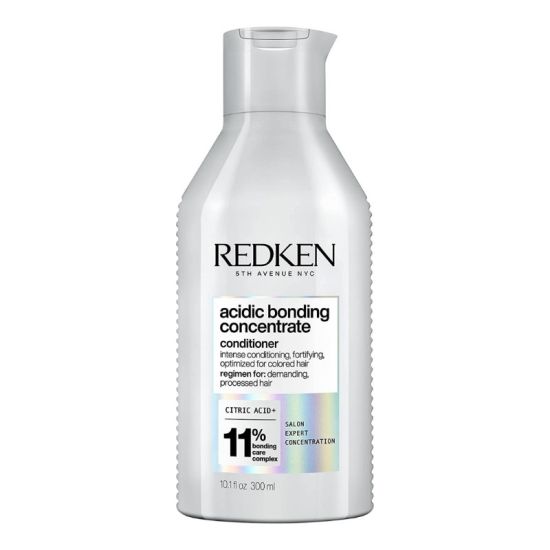
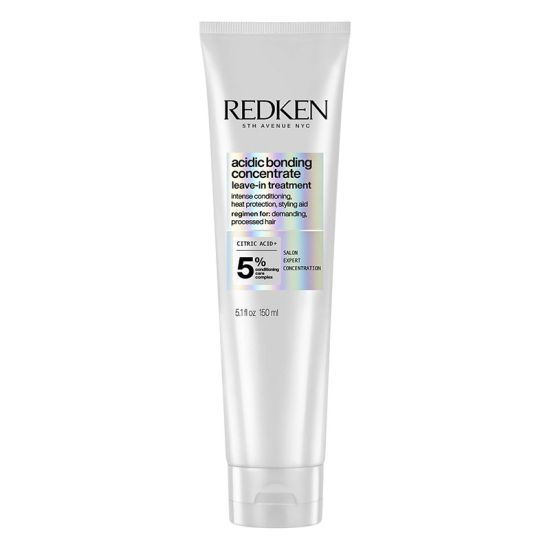
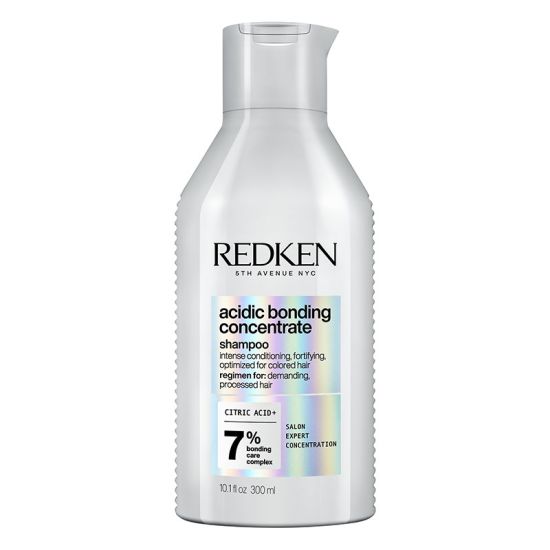
There is no single universal technology called bond repair. Different brands use different ingredients and mechanisms, so the term should not be treated as a scientific category on its own. In practice, bond-focused products are designed to support compromised hair through combinations of pH control, conditioning agents and ingredients intended to improve fibre strength or reduce breakage. Redken's Acidic Bonding Concentrate, for example, uses citric acid in an acidic system and is marketed for dry, damaged and colour-treated hair.
What bond repair can—and cannot—do
A useful repair routine improves behaviour; it does not make processed hair biologically new.
Strength and manageability
Support weakened hair, reduce breakage and improve the way it feels.
Reverse every change
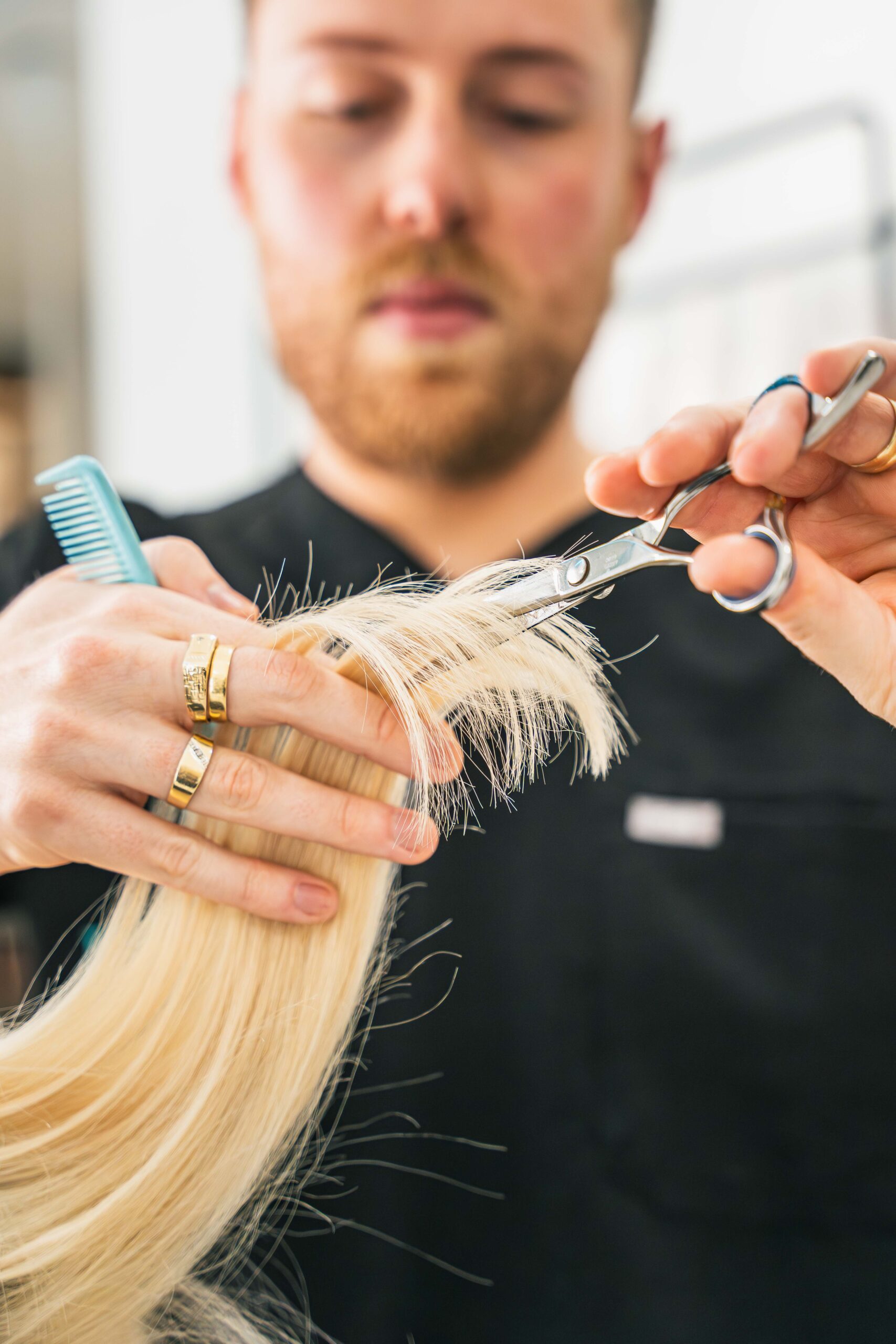
Split ends still need trimming and severely compromised hair needs gentler services.
Prevent more stress
Heat control, careful detangling and realistic colour plans protect the result.
Who is most likely to benefit?
Bond-focused care makes the most sense when hair has a clear damage history: repeated bleach, highlights, colour correction, frequent high-heat styling, chemical straightening or persistent breakage. It can also be useful as maintenance after professional lightening if your stylist recommends it. If your hair is soft, strong and largely unprocessed, you may get more noticeable benefit from a routine aimed at your actual concern – moisture, volume, frizz or colour tone.
Can you overdo repair products?
You can certainly overcomplicate the routine. Hair responds to the whole formula, not just the word 'protein' or 'bond' on the label. Some people find that repeatedly layering strengthening masks, treatments, leave-ins and heavy conditioners makes the hair feel stiff, coated or difficult to style. That does not necessarily mean you have 'too much protein' in a medical sense; it usually means the routine is no longer balanced for your hair's texture and condition.
What bond repair cannot do
Once a hair fibre is badly split or broken, a cosmetic product cannot biologically heal it like living skin. Conditioners and treatments can improve feel, reduce friction, temporarily smooth damaged areas and help protect against further breakage, but severely compromised ends may still need trimming. The best results come from combining good homecare with sensible colour planning and controlled heat.
A better rule than 'use more repair'
Use the minimum routine that keeps your hair strong, flexible and manageable. If breakage is improving, keep the plan consistent. If hair becomes heavy or stiff, reassess. And if it is snapping, gummy when wet or struggling after a bleach service, get professional advice before your next chemical appointment rather than trying to solve it with another bottle.