Vitamin C serum benefits are often wrapped in a lot of marketing, but topical vitamin C – particularly well-formulated L-ascorbic acid – does have a credible evidence base for antioxidant activity, signs of photoageing and some pigmentation concerns. It is useful, but it is not a miracle ingredient and formulation matters.
What are the benefits of vitamin C serum?
Vitamin C acts as an antioxidant, helping neutralise reactive molecules generated by environmental exposure. Reviews of topical vitamin C also describe roles in collagen synthesis and reducing melanin formation, which is why it is used for brightness, uneven tone and signs of photoageing. The evidence is promising, although clinical studies vary by formulation and not every vitamin C product delivers the ingredient to skin equally well.
Why the formula matters as much as the percentage
L-ascorbic acid is effective but chemically unstable and can be difficult to formulate. A bottle that has oxidised badly, is poorly packaged or uses a form that does not penetrate well may not perform like another product with the same percentage on the front. This is one reason it is more useful to choose an established formula than to chase the highest number available.

Vitamin C strengths at a glance
A higher percentage is not automatically the best starting point.
Gentler introduction
Often the most approachable entry point for newer or less tolerant skin.
Middle strength
A step up when the skin is already comfortable with vitamin C.
Higher strength
Best chosen for a clear reason, not simply because the number is larger.
10%, 15% or 20%?
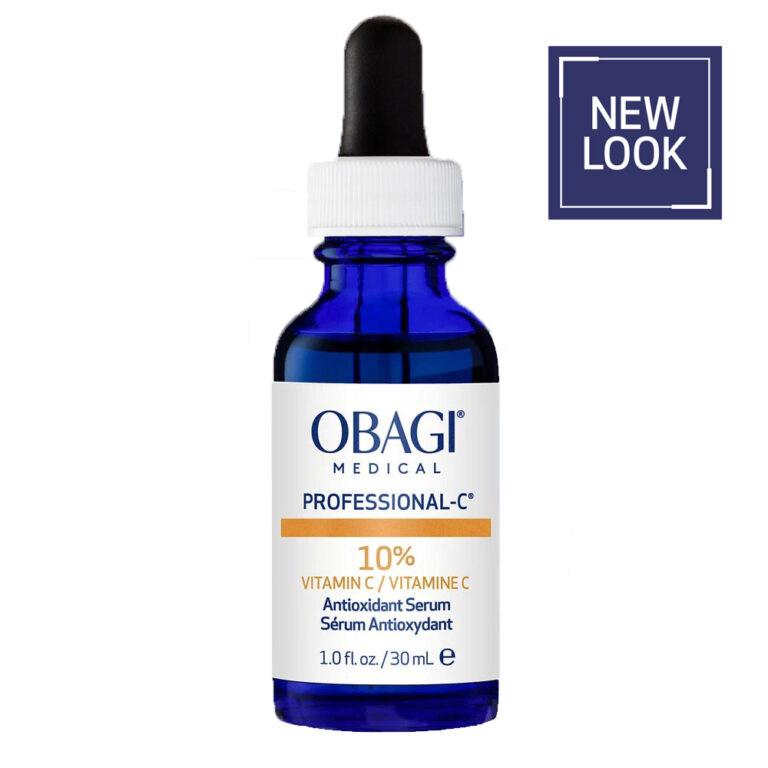
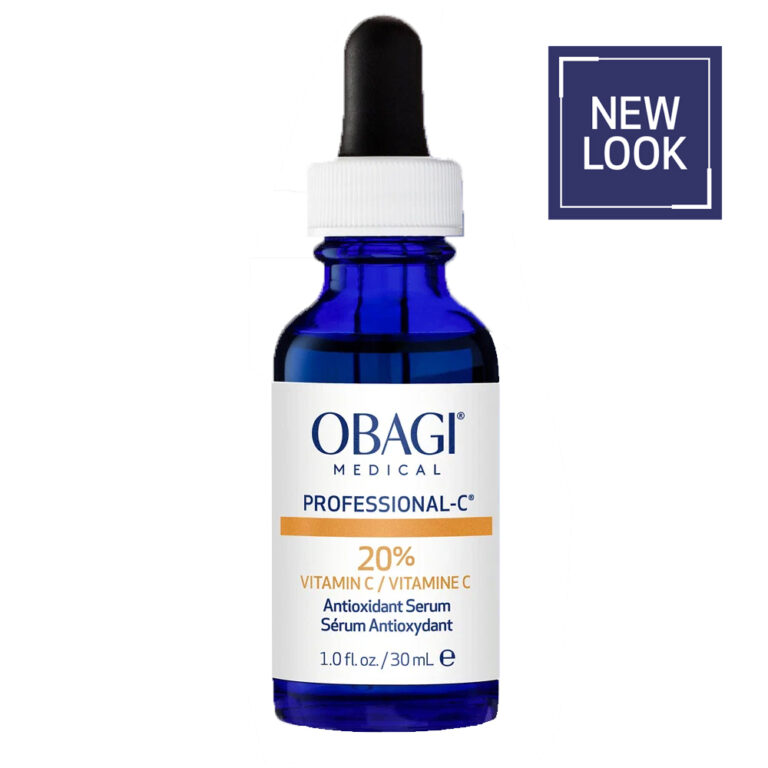
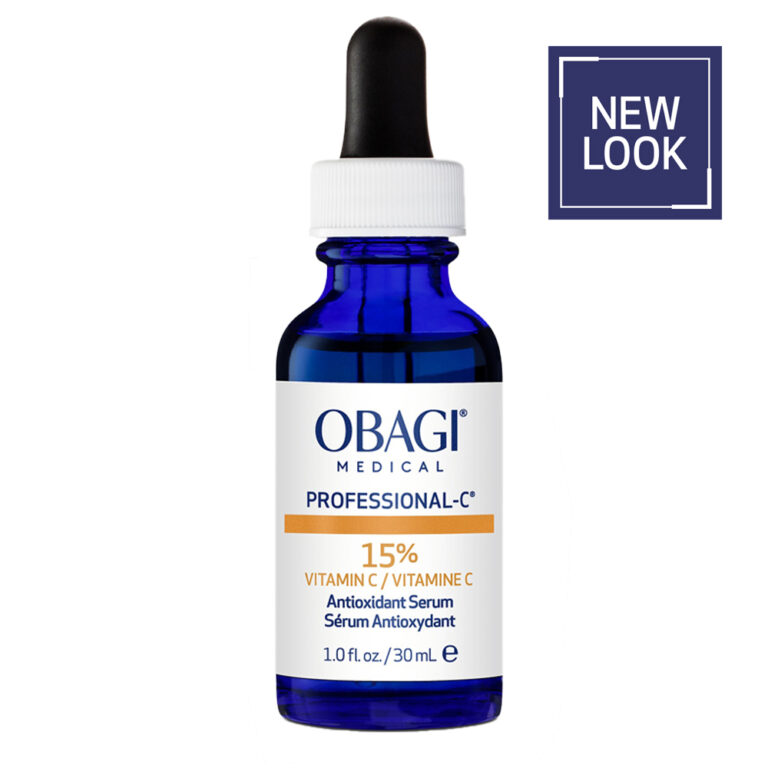
Obagi's Professional-C serums are available in 10%, 15% and 20% L-ascorbic acid. Obagi advises 10% for people new to vitamin C or with more sensitive skin, 15% for most skin types, and 20% for normal-to-oily skin. Higher strength is not automatically better: if a stronger serum causes irritation or you stop using it, the theoretical extra percentage is irrelevant.
When should you apply it?
Vitamin C is commonly used in the morning after cleansing and before moisturiser and SPF. That timing makes sense because antioxidant support complements – but does not replace – sunscreen. Vitamin C is not SPF and should never be treated as permission to skip sun protection.
What about pigmentation?
Vitamin C can be a useful supporting ingredient for uneven pigmentation, but more established pigmentation disorders may need a broader plan. Melasma, for example, is strongly influenced by light exposure and often needs consistent photoprotection plus professionally selected treatments. If pigmentation is changing, persistent or difficult to diagnose, get it assessed rather than simply increasing active ingredients.
How long before you judge it?
Skincare changes take time. Use a well-tolerated product consistently, store it as directed and look for gradual changes in brightness, tone and overall skin quality rather than an overnight transformation. If the serum repeatedly stings or your barrier feels compromised, reduce frequency or ask for advice rather than pushing through irritation.