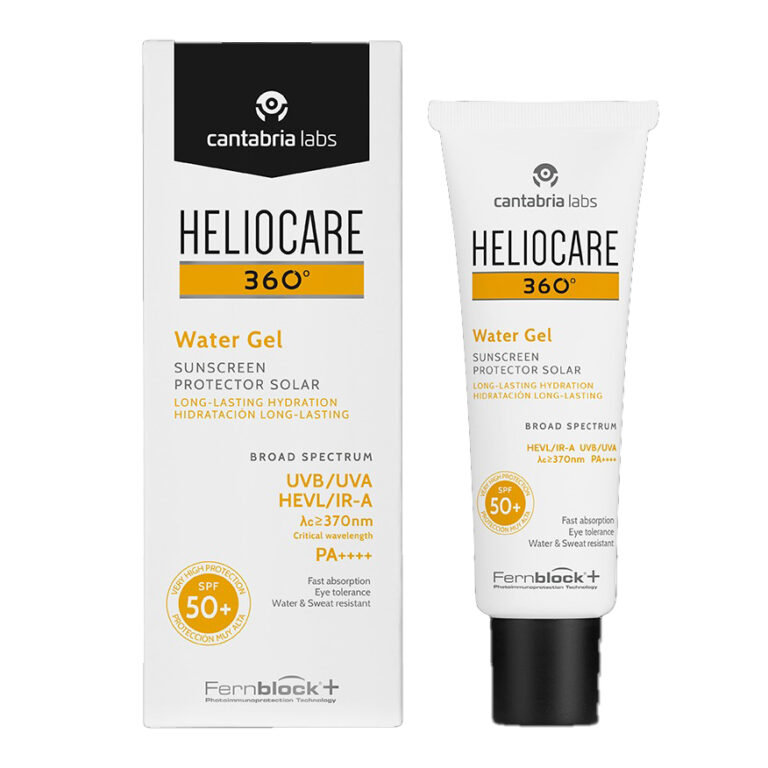
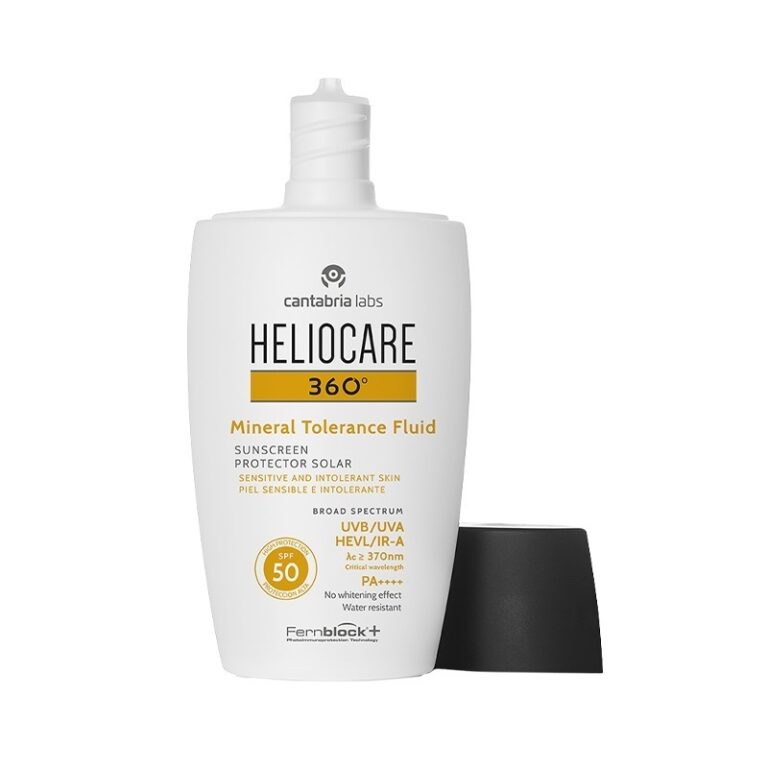
SPF 30 vs SPF 50 can look like simple maths: 50 must be dramatically better than 30. In practice, both are high-protection options when used properly. The bigger difference usually comes from choosing good UVA protection, applying enough and reapplying when exposure continues.
What SPF actually measures
SPF mainly measures UVB protection – the wavelengths most associated with sunburn. Under standard testing, SPF30 blocks about 97% of UVB and SPF50 about 98%. Another way to see it is that SPF30 allows roughly 1/30 of UVB through, while SPF50 allows about 1/50. Neither gives 100% protection.
Do not forget UVA
The SPF number does not tell the whole UVA story. UVA contributes to photoageing and skin damage, so in the UK look for strong UVA protection as well – such as a four- or five-star UVA rating or recognised broad-spectrum/UVA labelling.
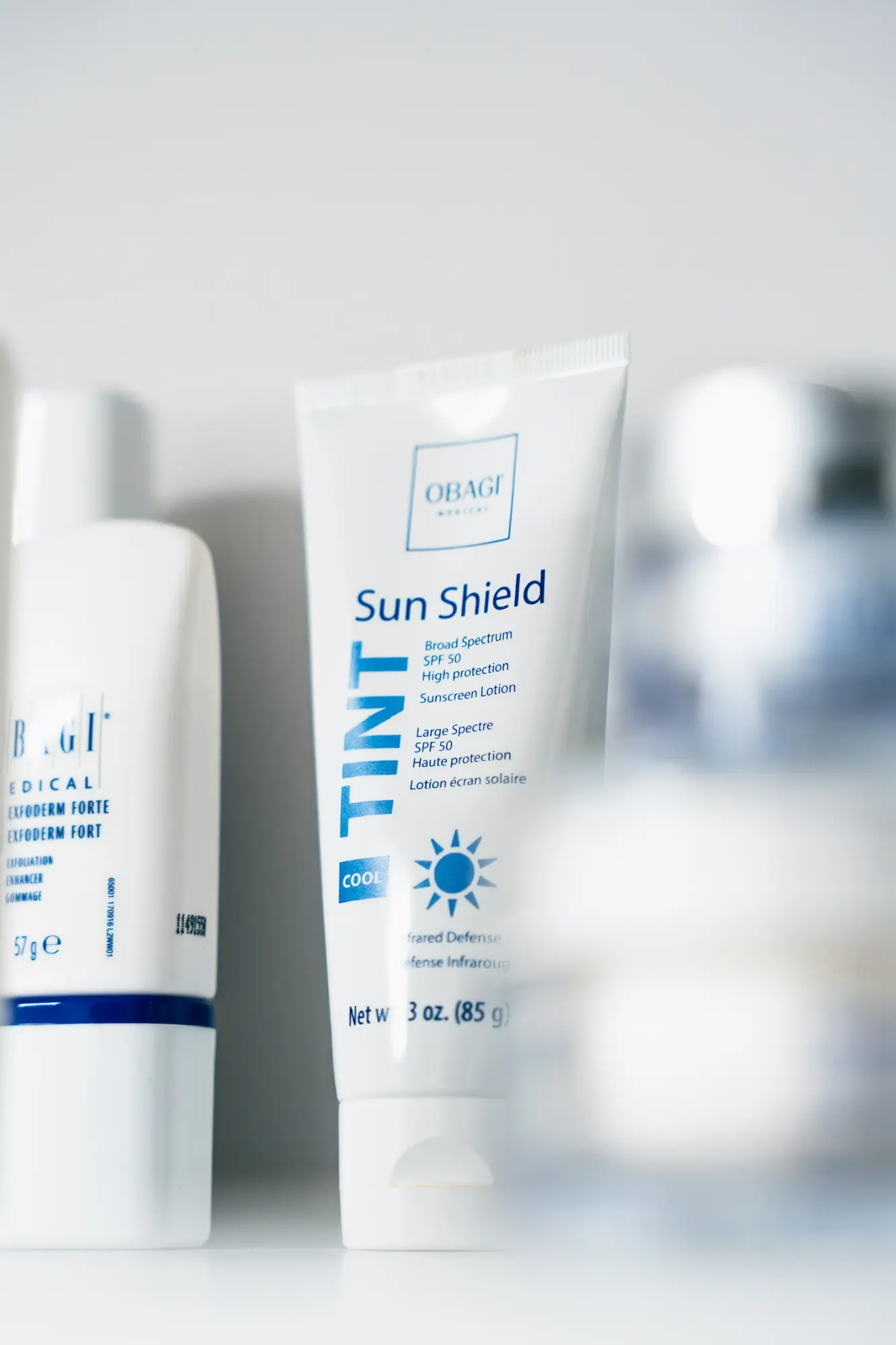
SPF30 and SPF50
Both are high-protection choices when enough is applied and UVA protection is strong.
About 97% UVB blocked
Allows roughly 1/30 of UVB through under standard testing.
About 98% UVB blocked
Allows roughly 1/50 of UVB through under standard testing.
Check the label
Look for strong UVA or broad-spectrum protection as well as the SPF number.
Quantity and reapplication
Neither factor lasts longer simply because the number is higher.
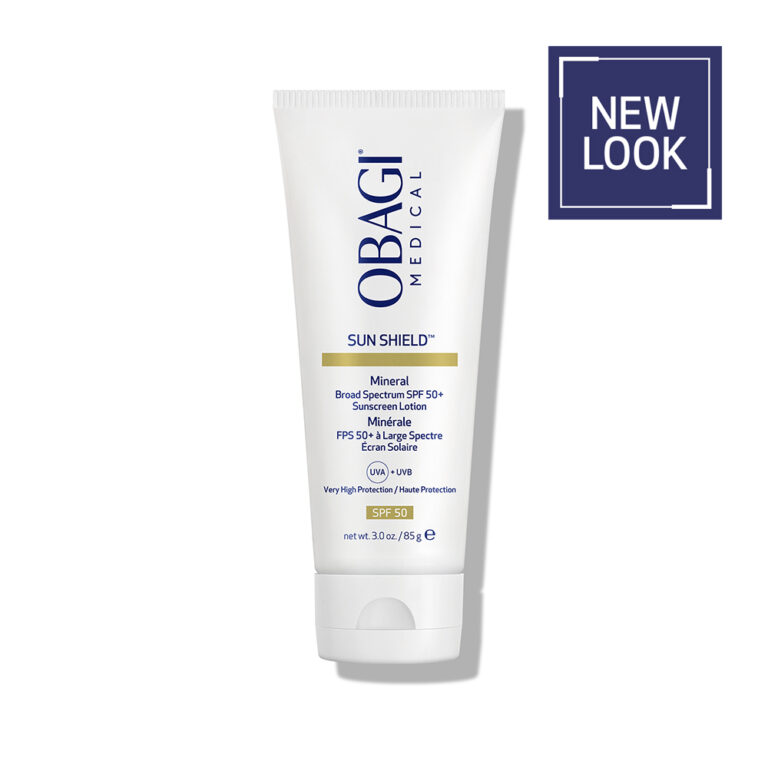
SPF 30 vs SPF 50: application matters
Sunscreen protection drops sharply when too little is applied. Use it generously on exposed skin and reapply at least every two hours during ongoing outdoor exposure, and sooner after swimming, heavy sweating or towel-drying. SPF50 does not last longer than SPF30.
Which should you choose in the UK?
UK guidance recommends at least SPF30 with high UVA protection when sun protection is needed. SPF50 is a sensible choice if you burn easily, spend long periods outdoors, are on holiday or are managing pigmentation. For everyday facial use, comfort matters too: the product you will apply properly and consistently is the better choice.