A tinted sunscreen for melasma can have a functional role beyond adding colour to the skin – specifically when the tint contains pigments such as iron oxides that reduce visible-light exposure. For people managing persistent hyperpigmentation, that distinction can matter alongside strong UVA and UVB protection.
Sunscreen usually focuses on ultraviolet light
Traditional broad-spectrum sunscreens are designed around UVA and UVB protection. That remains essential. But sunlight also contains visible wavelengths, and evidence now shows visible light can contribute to persistent pigmentation and can worsen melasma, particularly in medium-to-deeper skin tones.
Why ordinary mineral filters are not automatically enough
Zinc oxide and titanium dioxide are excellent UV filters, but in modern sunscreens they are often micronised to avoid a white cast. Reviews of visible-light photoprotection note that clear or untinted UV sunscreens do not necessarily provide meaningful visible-light protection. To attenuate visible light, the formula needs pigments that interact with wavelengths we can actually see.
Clear versus tinted sunscreen
The useful difference for melasma is not cosmetic coverage alone.
UV protection
Can provide strong UVA and UVB protection when correctly formulated and applied.
UV plus visible-light support
Iron oxides can help reduce visible-light exposure as part of a melasma plan.
Wearability matters
The right tint, texture and shade are the ones you can apply generously and consistently.
Why iron oxides matter in sunscreen for melasma
Iron oxides are coloured mineral pigments used in tinted sunscreens and makeup. Research has shown that formulas containing iron oxides can reduce visible-light-induced pigmentation. In an eight-week randomised melasma study, an SPF50+ sunscreen that included visible-light-absorbing iron oxide produced better improvements in melasma measures than a UV-only SPF50+ sunscreen when both groups used the same depigmenting treatment.
Is tinted SPF better for everyone?
Not universally. If you are mainly thinking about sunburn prevention and do not have a pigmentation disorder, a well-used broad-spectrum sunscreen that suits your skin remains an excellent choice. The added case for tinted, iron-oxide sunscreen is strongest when visible-light-induced pigmentation is relevant – particularly melasma and post-inflammatory hyperpigmentation.
Shade match matters more than it sounds
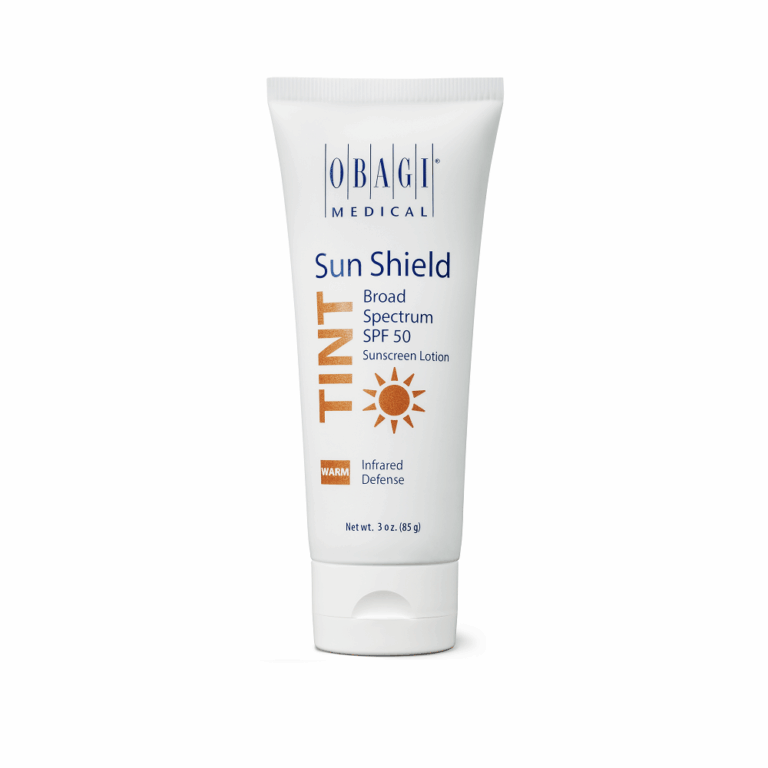
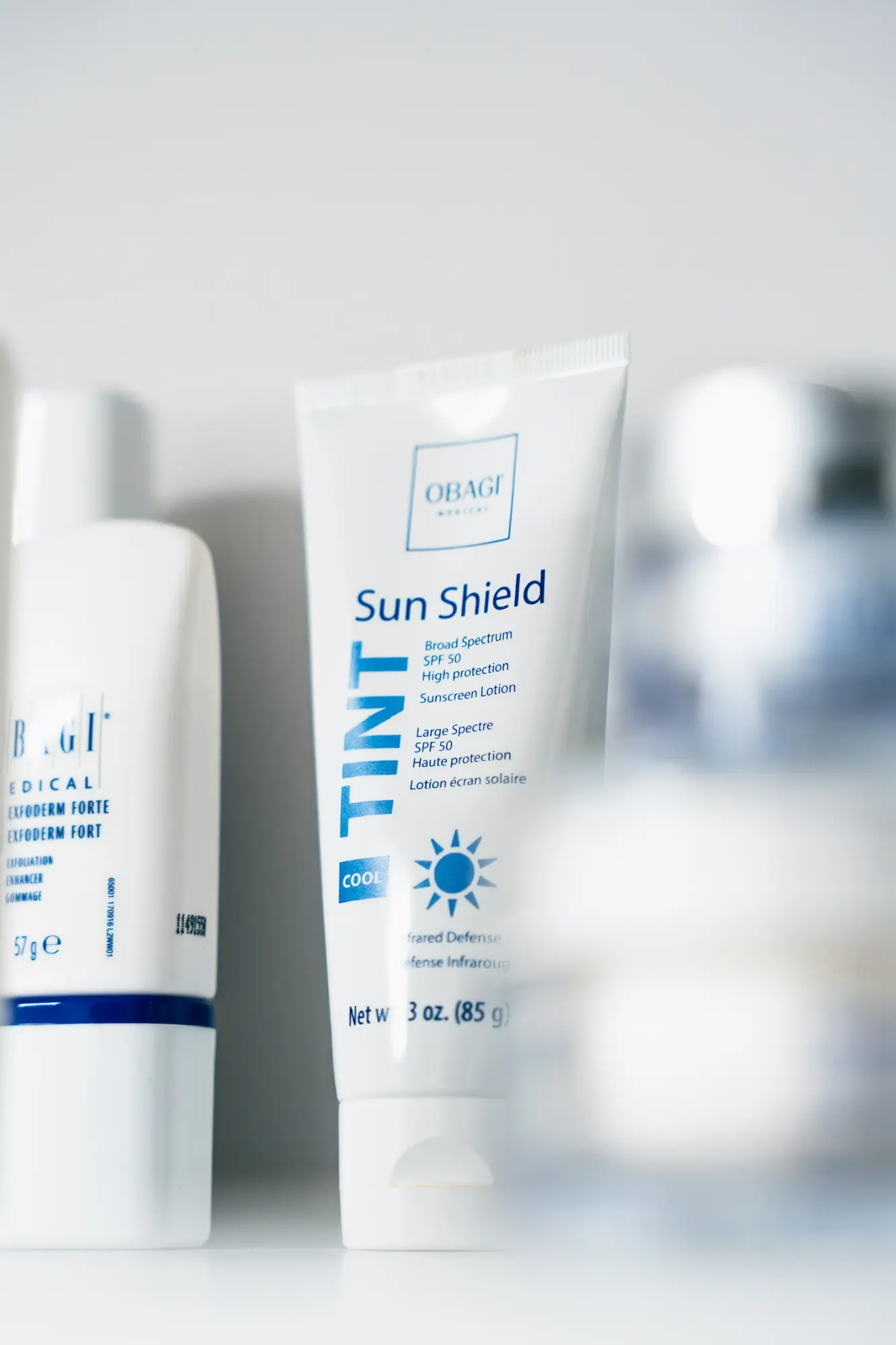
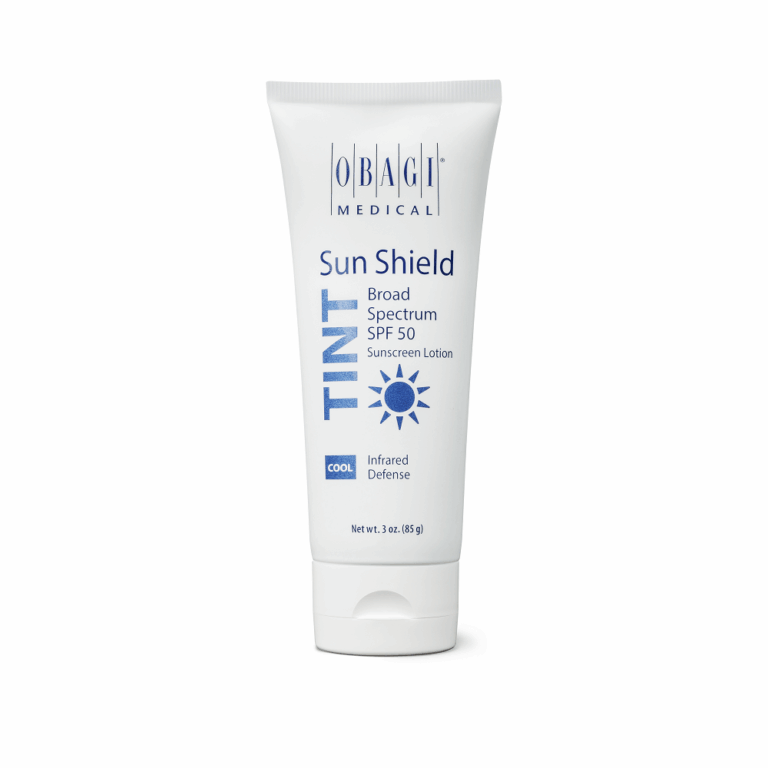
A sunscreen only works in real life if you will wear enough of it. If a tint looks orange, grey or too dark, people naturally apply less. Choose a shade and texture you are comfortable using generously. Obagi Sun Shield Tint SPF50 is offered in Warm and Cool versions, and its ingredient list includes iron oxides alongside UVA/UVB sunscreen filters.
Do not let the tint distract from the basics
Tinted sunscreen still has to be applied generously and reapplied during ongoing outdoor exposure. It is not a one-step cure for melasma, and it does not replace hats, shade or an appropriate pigmentation plan. Think of it as improving the quality of your photoprotection when visible light is part of the problem.